



The Heat is On Collection, Norman Winter - Temple of Bloom Is Like the Tree of Life
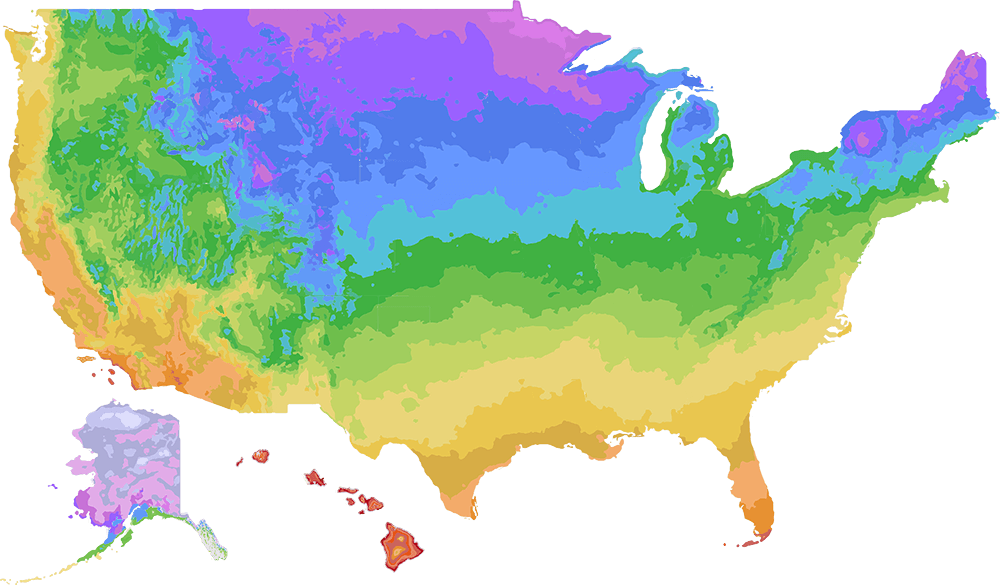
The Temple of Bloom is like the tree of life to everyone who gardens for pollinators. It is a more compact form of Seven-Sons Flower known botanically as Heptacodium micronioides. I know that it has sound unknown and foreign in both variety, common name and botanical name as any I have put before you. The Temple of Bloom’s native habitat is China where its wild populations are under threat of extinction. If you live in zones 5a to 9b however, and you are looking for butterflies, bees and hummingbirds, then this is a must have plant.
 The Temple of Bloom tree forms large fragrant clusters of white flowers from the tip of each branch. |  Each cluster will be filled with butterflies. Hear a Red-banded hairstreak feast on the white flowers. Each cluster will be filled with butterflies. Hear a Red-banded hairstreak feast on the white flowers. |  The center of this photo shows three Red-banded hairstreaks in a tight grouping. |  This cluster of flowers has the Great Purple hairstreak and an assortment of bees. |
 This Green Anole lizard climbs to the top of the Temple of Bloom looking for the happy meal of the day. |  This White M hairstreak has a large native range and finds the Temple of Bloom to be high on the menu. |  The Eastern Tiger Swallowtails also find the Temple of Bloom to be a choice-nectaring opportunity. The Eastern Tiger Swallowtails also find the Temple of Bloom to be a choice-nectaring opportunity. |  When the bloom ends and the petals fall each cluster erupts into a vivid show of red bracts. |
Temple of Bloom - Is Like the Tree of Life
The Temple of Bloom is like the tree of life to everyone who gardens for pollinators. It is a more compact form of Seven-Sons Flower known botanically as Heptacodium micronioides. I know that it has sound unknown and foreign in both variety, common name and botanical name as any I have put before you. The Temple of Bloom’s native habitat is China where its wild populations are under threat of extinction.
If you live in zones 5a to 9b however, and you are looking for butterflies, bees and hummingbirds, then this is a must have plant. I started out with a whip of a plant 3 or 4 years ago and this year it reached 10 feet tall with several blooming branches. I am developing mine as a multi-trunked small tree that I am expecting to be about the size of a redbud or medium sized crape myrtle. Those grown as a wide deciduous shrub, though a little wild looking, certainly have an appeal.
I mentioned the tree of life at the start and this year’s bloom was a prime example. The butterfly year was pretty incredible March through May. Then once June arrived it was miserable, excessively hot and dry. Though I had an abundance of lantanas, agastache, salvia, zinnias and gomphrena it just failed to live up to potential. I never even saw a single hairstreak butterfly.
The Temple of Bloom erupts with fragrant white flowers in August and September. Wherever the butterflies had been hiding they suddenly appeared. Last year it was the White M hairstreak, a lifer for me that showed up with countless others. This year Red-banded Hairstreaks, and two that I hadn’t seen in years, the Great Purple hairstreak and the Olive Juniper hairstreak. Then to make it really seem like a wildlife extravaganza the little Green Anole lizards climbed the tree for their chance at a happy meal.
I am sure the neighbors thought I was total plant nerd as I sat nearby everyday in the soaring heat armed with my Nikon and 500 mm telephoto lens. I admit I was stationed in the shade as much as possible, Yes, I get excited over hairstreaks, there have been five species in the last two years. Each branch tipped in a huge white cluster of blooms will all have hairstreaks at the same time. But there are all sorts of bees, wasps and milkweed beetles. It is not just hairstreak butterflies but swallowtails too.

It was still blooming at the end of September when hurricane Helene made her trek north. Our area, though spared, did receive a lot of rain and some stiff winds which pretty much ended the bloom season on my treasured tree. The magic continued however as the petals fell to the ground they were soon replaced by vivid red bracts making everyone think the tree switched blooms from white to red.
As winter approaches the leaves will fall to reveal a tan exfoliating bark. This of course means it will be ever so picturesque during the dormant season. The question arises how such a trouble-free tree can do all of this, it certainly seems to be horticultural magic.
The Temple of Bloom is thankfully tolerant of a wide range of soils. I can tell you, this tree deserves fertile well drained soil and irrigation during periods of drought. You will be rewarded with those fragrant white blooms and a wildlife show of bees butterflies, hummingbirds and yes lizards too. It will seem over but then surprise you suddenly have vibrant red bracts. Follow me on Facebook @NormanWinterTheGardenGuy for more photos and garden inspiration.