


Skip to Content Skip to Navigation
Menu
My Idea Boards

All Articles

Filters
Showing 1 - 10 of 635.

Once your spring display reaches its peak, you are often left with the unsightly challenge of hiding bulb foliage as it slowly withers. While it is tempting to cut those leaves back immediately, proper spring bulb aftercare requires leaving them intact until they have completely turned brown to fuel next year's blooms. Fortunately, maintaining your garden aesthetics doesn't have to be a struggle during this transition. By mastering the art of interplanting perennials, you can naturally mask those yellowing bulb leaves with the lush, emerging growth of hostas, daylilies, or ferns. With a few clever design tricks, your garden will transition seamlessly from spring brilliance to summer fullness without an awkward "messy" phase.

As the window for cool-weather gardening begins to close, the race is on to get your soil ready for the rising temperatures. Focusing on strategic pre-summer planting now is the best way to ensure your yard remains lush and productive through the July heat. By getting your spring garden crops into the ground early, you allow them to establish the deep roots necessary for survival. This is also the prime opportunity for planting perennials in spring, giving them a head start before the summer sun becomes too intense. Whether you are adding heat-tolerant vegetables to your raised beds or finishing your general summer garden preparation, these five essential additions will set the stage for a season of abundance.

If you are looking to add a bold, energetic pulse to your landscape, there is no color more powerful than a deep, fiery crimson. Choosing red garden plants is a guaranteed way to draw the eye and create a focal point that demands attention. Whether you are landscaping with red flowers to create a warm welcome or utilizing red-leafed shrubs for season-long drama, this vibrant hue offers endless possibilities. Beyond the visual appeal, a red-focused palette is a functional choice for high-contrast garden design, making surrounding greens appear even more lush and vivid. As an added bonus, incorporating these shades is the fastest way to invite nature in, as hummingbirds and red flowers share a famous and frequent connection.

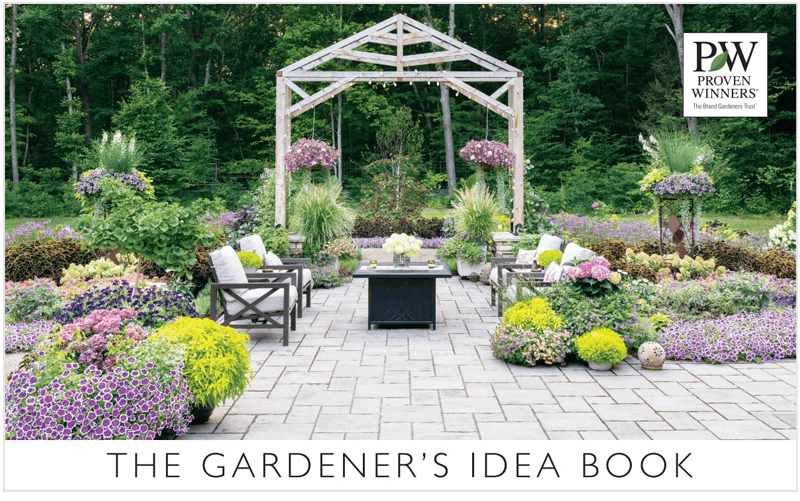
Finding the right inspiration for your backyard can feel overwhelming, but following expert Proven Winners gardening tips makes the process both simple and rewarding. As a seasoned Susan Martin garden writer and "resident plant geek," Susan shares her deep passion for horticulture to help homeowners create stunning outdoor spaces. By focusing on high-performance plants that have been trialed for vigor and bloom power, she provides professional-grade landscape design ideas that anyone can implement. Whether you are looking for shade-loving perennials or vibrant container recipes, Susan’s approachable advice makes gardening for beginners feel like a fun, creative adventure. Explore her latest recommendations to see how the right plants can transform your home’s curb appeal this season.

While it might feel counterintuitive to cut back your favorite shrubs and trees, understanding the long-term benefits of pruning is essential for any thriving landscape. Taking the shears to your garden isn't just about aesthetics; it is a vital part of plant health maintenance that prevents disease and removes dead weight. By focusing on dormant season pruning, you minimize stress on the plant and provide a clear view of the branch framework for better accuracy. Whether you are following structural pruning tips to improve a tree's shape or simply thinning out dense areas to improve airflow, your efforts play a direct role in encouraging new growth. Investing a little effort now ensures a more vigorous, bloom-heavy performance when the growing season arrives.

As the first frost approaches, it’s time to protect your favorite summer greenery from the biting cold. Mastering the art of overwintering tender plants allows you to save your investment and enjoy your favorite specimens year after year. The process of bringing plants indoors requires more than just a change of scenery; it involves a careful transition to help them adapt to lower light and humidity levels. From adjusting your indoor plant care routine to finding the perfect spot for tropical plant winter storage, a few proactive steps can prevent shock. Whether you are dealing with large hibiscus or smaller overwintering potted plants, this guide will ensure your garden survives the big move and thrives until spring returns.

When the first white flakes begin to fall, many gardeners instinctively worry about their delicate perennials. However, there are numerous benefits of snow for plants that go far beyond a pretty winter scene. Far from being a threat, a thick layer of fresh powder serves as natural winter insulation, trapping air to keep the ground significantly warmer than the freezing wind above. This protective blanket is essential for protecting garden from cold extremes and preventing the damaging freeze-thaw cycles that can heave roots. Beyond temperature control, the slow melt provides consistent winter soil moisture and even acts as a "poor man's fertilizer" by delivering atmospheric nitrogen directly to the roots.

When the school bells ring for the final time in June, the focus usually shifts to poolside fun and relaxation. However, many parents worry about summer learning loss, where students lose critical academic ground during the long break. The key to successful summer slide prevention isn’t turning your living room into a rigid classroom, but rather integrating educational summer activities into your daily routine. By prioritizing interactive learning and introducing fun educational games, you can keep young minds sharp without sacrificing the joy of vacation. With just a little bit of intentionality, you can ensure your kids return to school in the fall feeling confident and ahead of the curve.

As your landscape transitions toward the colder months, a common dilemma arises for many homeowners: is it helpful to fertilize, or is it better to let nature take its course? Understanding the science behind fall lawn fertilization is key to a healthy yard. While many plants are entering a state of plant dormancy, their roots remain active and capable of significant nutrient absorption before the ground freezes. Applying a high-quality winterizer fertilizer during this window doesn't just encourage growth; it strengthens the plant's internal reserves. By timing your late season feeding correctly, you provide the essential fuel needed to survive the winter and emerge stronger in the spring.

Many gardeners assume that once the summer heat fades, it is time to pack away the trowels and wait for April. However, savvy horticulturists know that autumn gardening is actually one of the most productive times of the year. The primary fall planting benefits come from the unique combination of cooling air and lingering warmth in the ground. Because the soil temperature remains high while the sun becomes less intense, plants can focus all their energy on root system establishment rather than fighting off heat stress. Whether you are planting trees and perennials or simply refreshing your landscape, this season offers a head start that spring simply cannot match.

Showing 1 - 10 of 635.
Back to Top

Find plants you love and create idea boards for all your projects.

To create an idea board, sign in or create an account.