




Let it Snow!
When the first white flakes begin to fall, many gardeners instinctively worry about their delicate perennials. However, there are numerous benefits of snow for plants that go far beyond a pretty winter scene. Far from being a threat, a thick layer of fresh powder serves as natural winter insulation, trapping air to keep the ground significantly warmer than the freezing wind above. This protective blanket is essential for protecting garden from cold extremes and preventing the damaging freeze-thaw cycles that can heave roots. Beyond temperature control, the slow melt provides consistent winter soil moisture and even acts as a "poor man's fertilizer" by delivering atmospheric nitrogen directly to the roots.
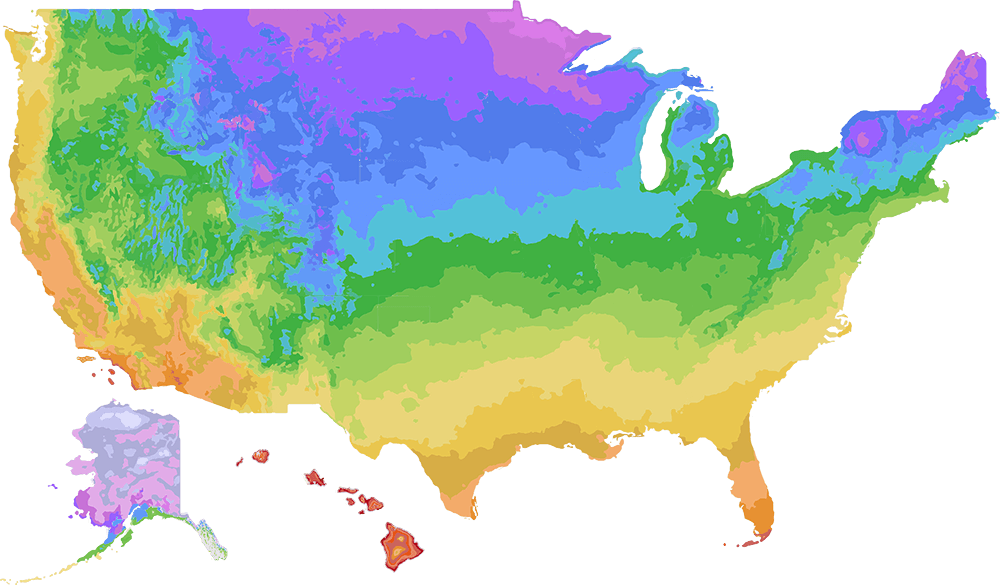
| Just like the spring, summer and fall seasons vary depending on where you live, what winter means to you may be drastically different than what it means to your neighbors to the north and south. Some northern gardeners are fortunate to have a thick blanket of snow to protect their plants all winter, but others might experience frigid temperatures with no snow protection. People who garden in the country’s midsection often experience extreme temperature fluctuations where it is relatively mild one day and an ice storm the next. You might consider southern gardeners to be the lucky ones, able to grow winter flowering annuals from November through February. I say “Let it snow!” |
 | Why Snow is GoodYou might not like the fluffy white stuff, but your hardy perennials and shrubs love it! The key word here is “hardy”—annuals and other tender plants will not appreciate it one bit. Here are some key reasons why snow is good for your garden.
|
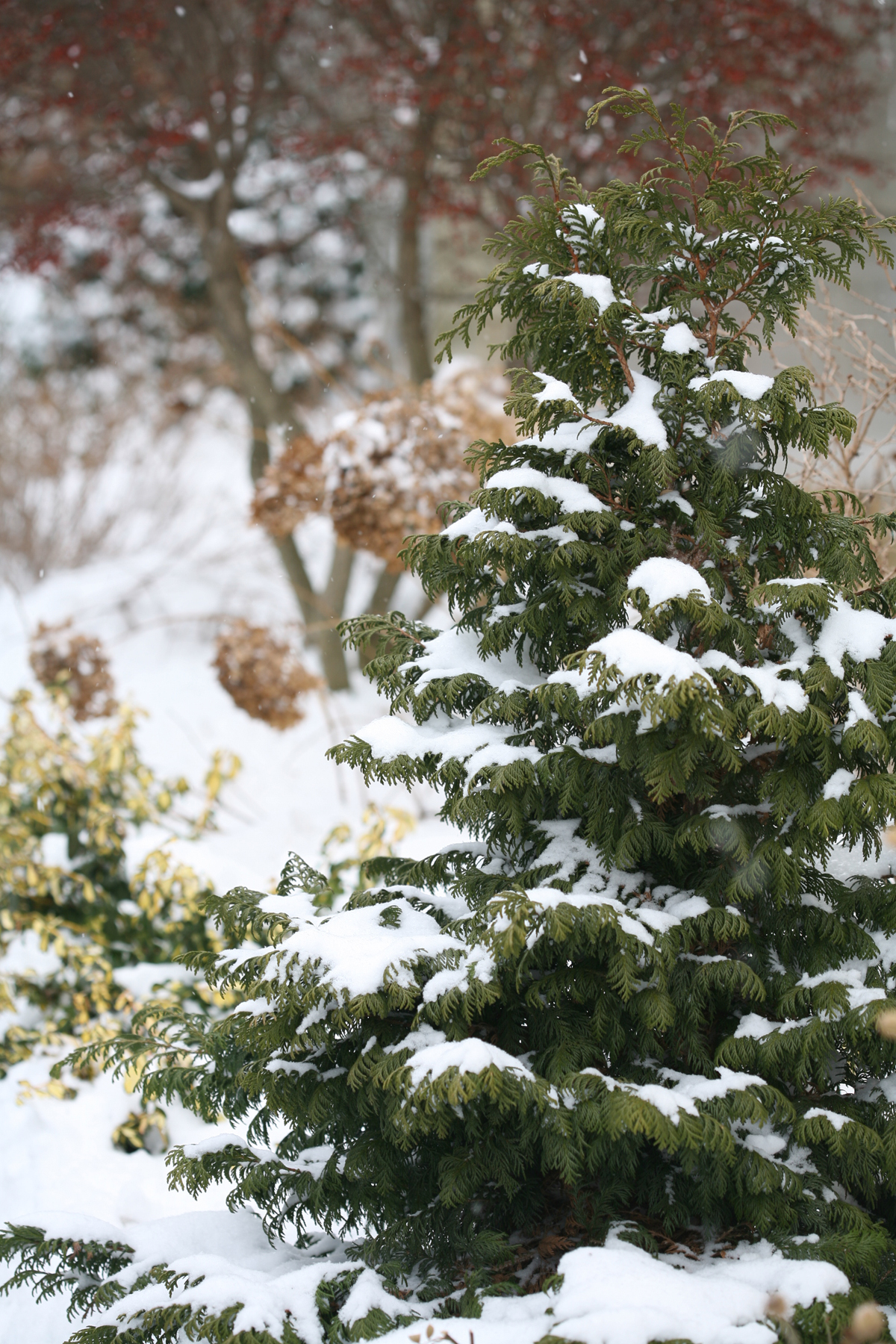
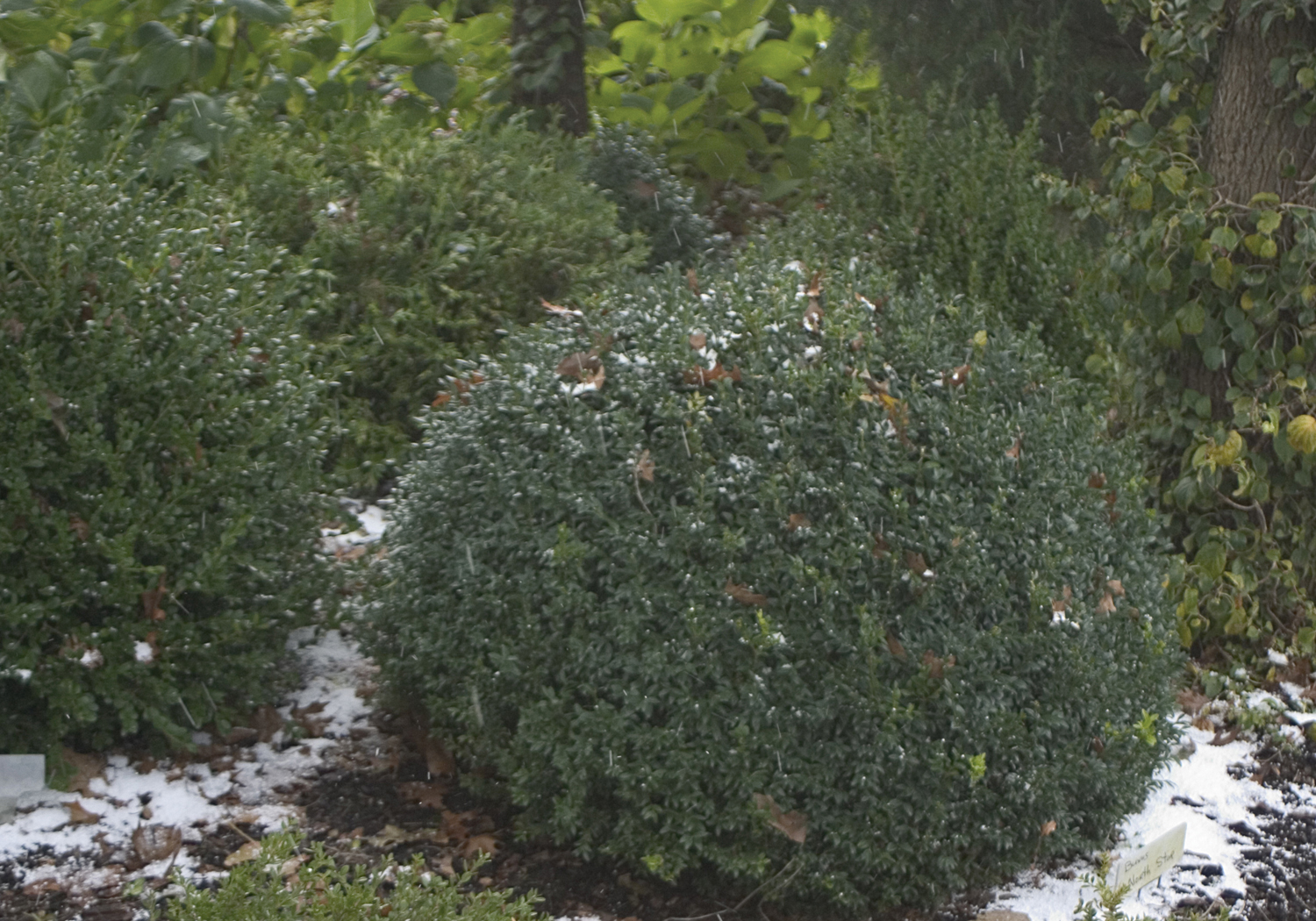
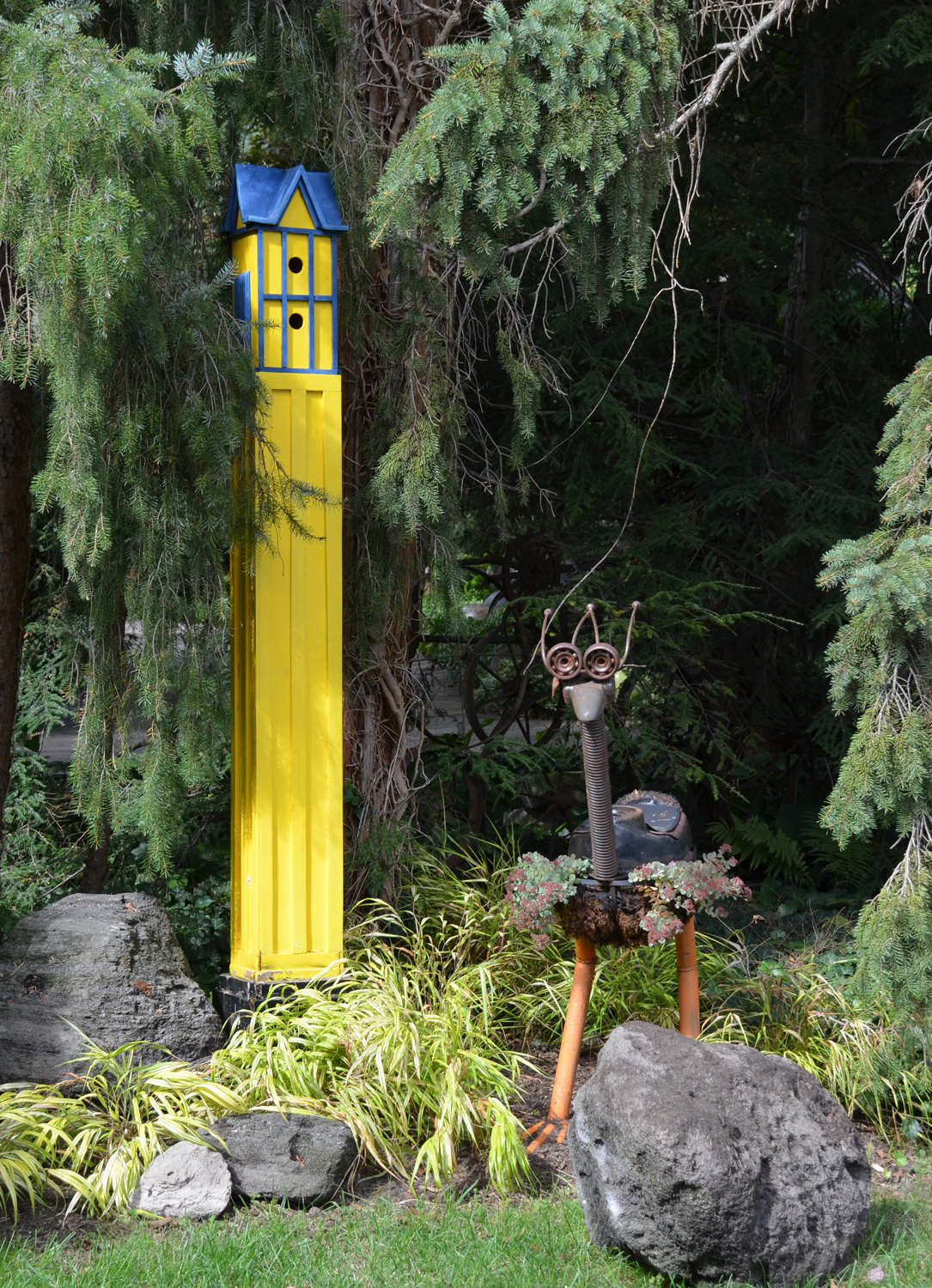 | Winter Eye CandyWhile we’re out shoveling snow, it sure is nice to have something pretty to look at—a berried branch, a glossy green leaf, perhaps a few leftover seed pods. If your garden lacks visual interest in winter, now is the time to take some notes on what to improve for next year. Here are a few things you might wish to consider adding to your winter garden. Evergreen PlantsEvergreen trees and shrubs are the backbone of the landscape all year long, but they play an especially prominent role in winter. They make an ideal backdrop for showcasing other plants with winter interest and act as an important screen between neighbors when the rest of the landscape is bare. Evergreens tend to be a long-term investment since they often grow slower than deciduous plants. As you look around your winter garden, make a note of the perfect places you could add a few next spring. If possible, drive stakes in the ground in those places so they’ll be easy to find when planting season arrives. A few of our favorite evergreens are Castle Wall® Blue Holly, Celtic Pride™ Siberian cypress, and North Star™ boxwood. |
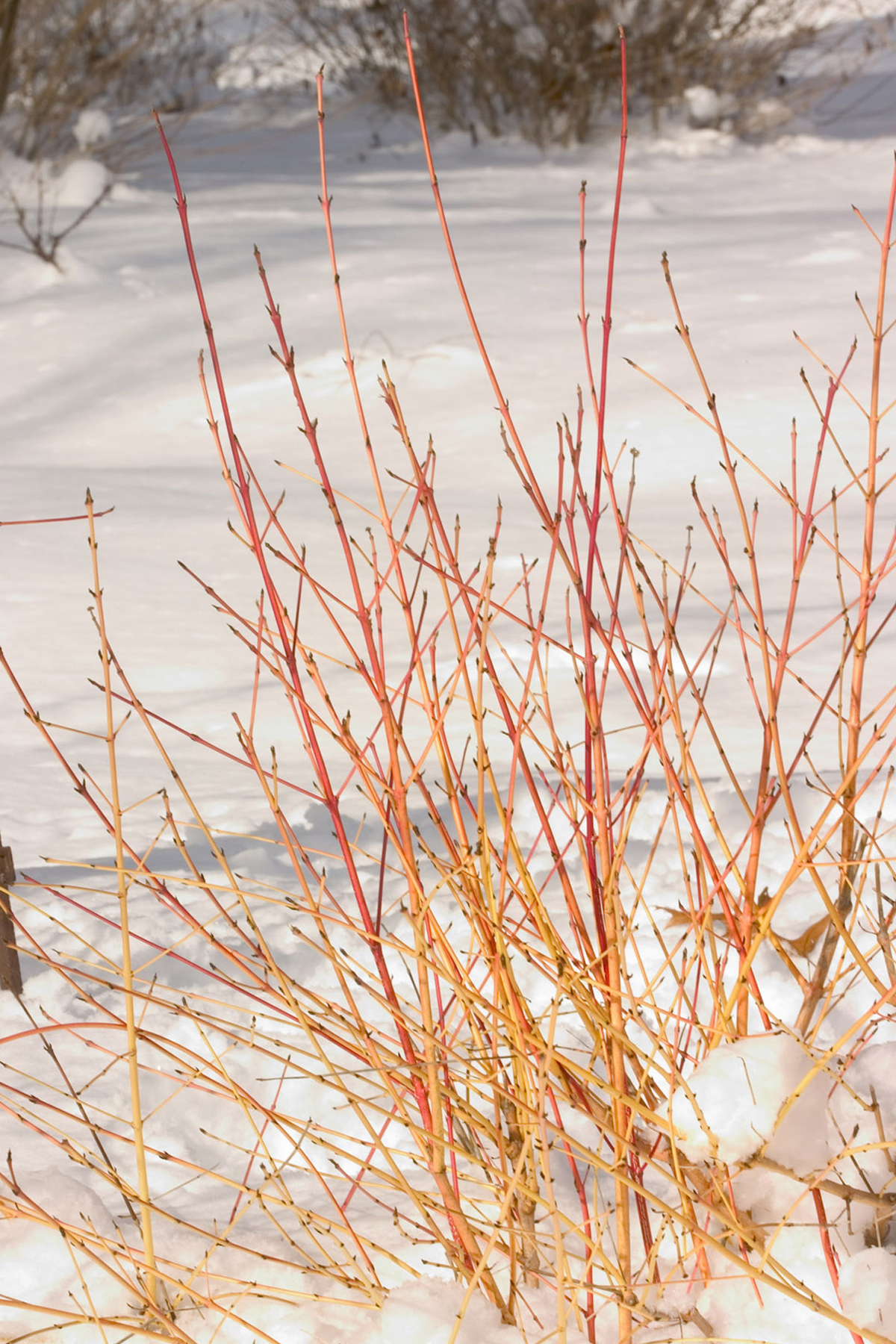
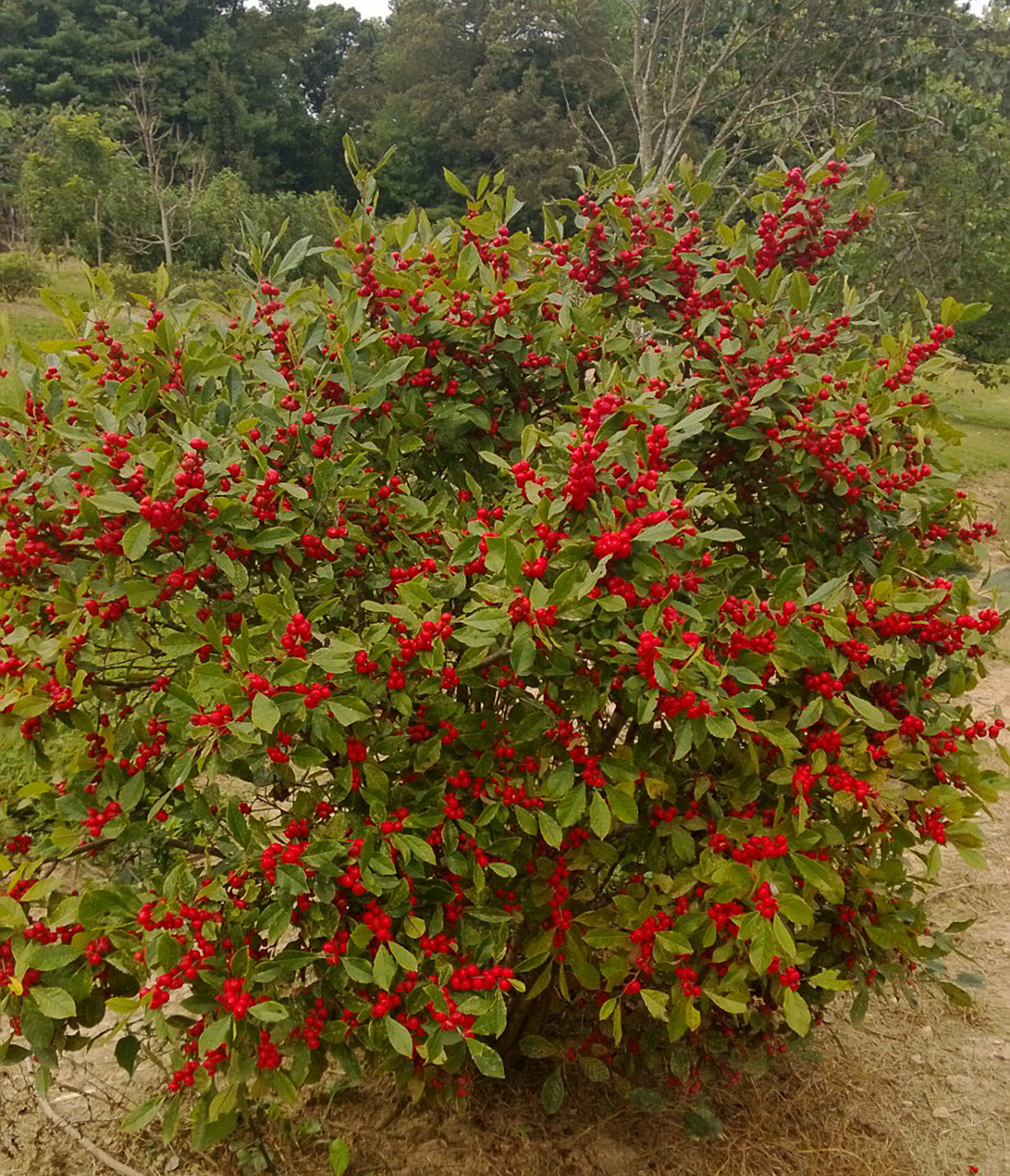 | Plants with Interesting BarkWhen their leaves have fallen, you’ll easily notice which trees and shrubs in your garden have interesting bark like the shredded paper-like bark of birch trees or the golden yellow stems of Arctic Sun™ dogwood. If you plant trees and shrubs with interesting bark where they can stand in contrast to evergreen foliage, a white fence or blanket of snow, they will have even more visual impact in winter. Plants with Winter BerriesBerries are an often unexpected, fun accent to the garden in all seasons but especially during winter when the rest of the landscape is bare. You might think of evergreen hollies first when you consider shrubs with winter berries, but did you know that there are deciduous hollies too? Winterberries often bear heavier crops of berries which are more visible since the leaves don’t obscure them. Birds love to snack on all kinds of holly berries over the winter months. |
 | Plants with Persistent SeedsYou might be tempted to cut back all of your plants when you do your fall cleanup, but consider the winter interest that some may offer. Tall Sedums like ‘Lemonjade’ are lovely when topped with a puff of snow, and the persistent seed pods of Decadence Baptisia are pretty too. Ornamental grasses, even those that are not hardy, are iconic plants for winter interest and can be left standing until early spring. All kinds of hydrangeas carry beautiful dried flower heads through winter too. Consider leaving these kinds of plants standing to create visual interest in your garden this winter. Garden Art, Painted Furniture, and MoreYou don’t have to depend solely on plants to contribute color and structure to the winter garden. A coat or two of cheerful paint on a bench, arbor or birdhouse can do wonders for your spirits in winter. An elegant sculpture or large frost-proof urn can serve as a reminder of the sleeping beauty that lies beneath the snow. Be sure to choose pieces of garden art and furniture that can withstand the winter elements in your climate and store the rest away for a spring day. |