




How to Plant Articles

Studies show spending time in gardens and green spaces or directly nurturing plants, is healthy for us. In fact, hospitals often use surrounding gardens and plants in therapeutic programs. This realization also leads to another great reality; we need to plant, protect and conserve our plants and green spaces.

Wondering if you should amend your soil when you plant? Our answer is no: we do not recommend adding anything to the soil when you plant one of our shrubs – no top soil, garden soil, potting mix, potting soil, compost, manure, or any other type of bagged or baled product out there.
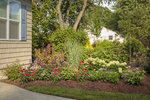
Gain some helpful tips about how to care for perennial plants including which types benefit from deadheading, how often to fertilize and divide, and much more in this informative article.
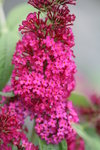
Butterfly bush are easy to grow shrubs, but you do need to know a bit about their preferences and requirements to achieve maximum success.
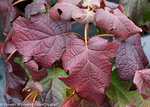
You may have heard that fall is a great time for planting shrubs, trees, and perennials. This article explains why that is true.
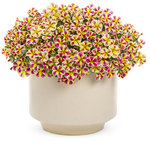
Seemingly more than ever, crazy colored flowers in all sorts of patterns and shapes not seen before are popping up at garden centers. Many of them are bicolors: flowers with two distinct colors in one. It can be tricky to design with them container combinations, so here are a few tips to keep in mind when shopping this season.
Summer sun can be brutally strong in some climates, and it’s not for the faint of heart. These heat-tolerant annuals not only survive in the heat, they thrive in it. They produce more flowers on larger plants as the temperatures rise, making them ideal for growing in warm climates and places with hot summers.
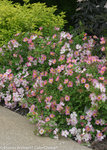
What do you see when you go out to collect the mail each day? A patch of worn earth or a vibrant, blooming garden? Creating a garden that will deliver smiles daily is an easy task when you consider these valuable tips.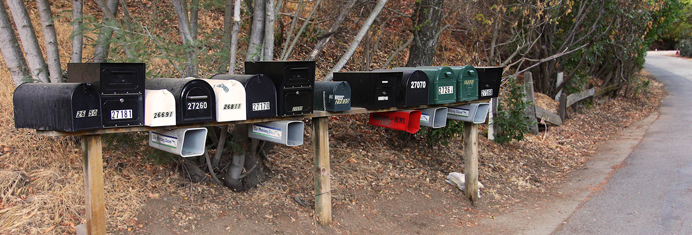
Credit: Jitze Couperus (Flickr)

Black walnut trees have a well-deserved reputation for making life difficult for gardeners because they release a toxic compound called juglone, which can adversely affect many kinds of plants.

You rely on plant labels to give you the information you need to be successful in choosing and growing your new plants. But do you really know what everything on those labels mean? Here’s a quick visual guide to decoding plant labels.