





Cold + Bold Canada™- Helping Your Garden Recover from Heavy Rain
Heavy downpours can arrive at almost any point in the growing season across Canada, and some years bring unprecedented amounts of rain. One thing is inevitable - every garden will eventually face a deluge of rain. Here’s my advice for what to do after the duluge to help your garden recover.
Helping Your Garden Recover from Heavy Rain
Heavy downpours can arrive at almost any point in the growing season across Canada, and some years bring unprecedented amounts of rain. It may come early, just after the Supertunia® petunias have just been transplanted or midseason when the Suncredible® sunflowers are full of blooms and heavy. It could come later in the growing season when the Quick Fire Fab® panicle hydrangeas are showing off their huge blossoms. One thing is inevitable - every garden will eventually face a deluge of rain. The good news is that gardens are wonderfully resilient. With a calm eye, a light touch and a little patience, most plants can recover once the soil has dried out again. Here’s my advice for what to do after the duluge to help your garden recover.
|
 |
After a storm, your first instinct may be to rush outside and start fixing things. Instead, give your garden a little breathing room. Plants may look flattened, wilted or tired immediately after heavy rain, but many will perk up as the water drains and oxygen returns to the soil. So, observe first, then act. |
 |
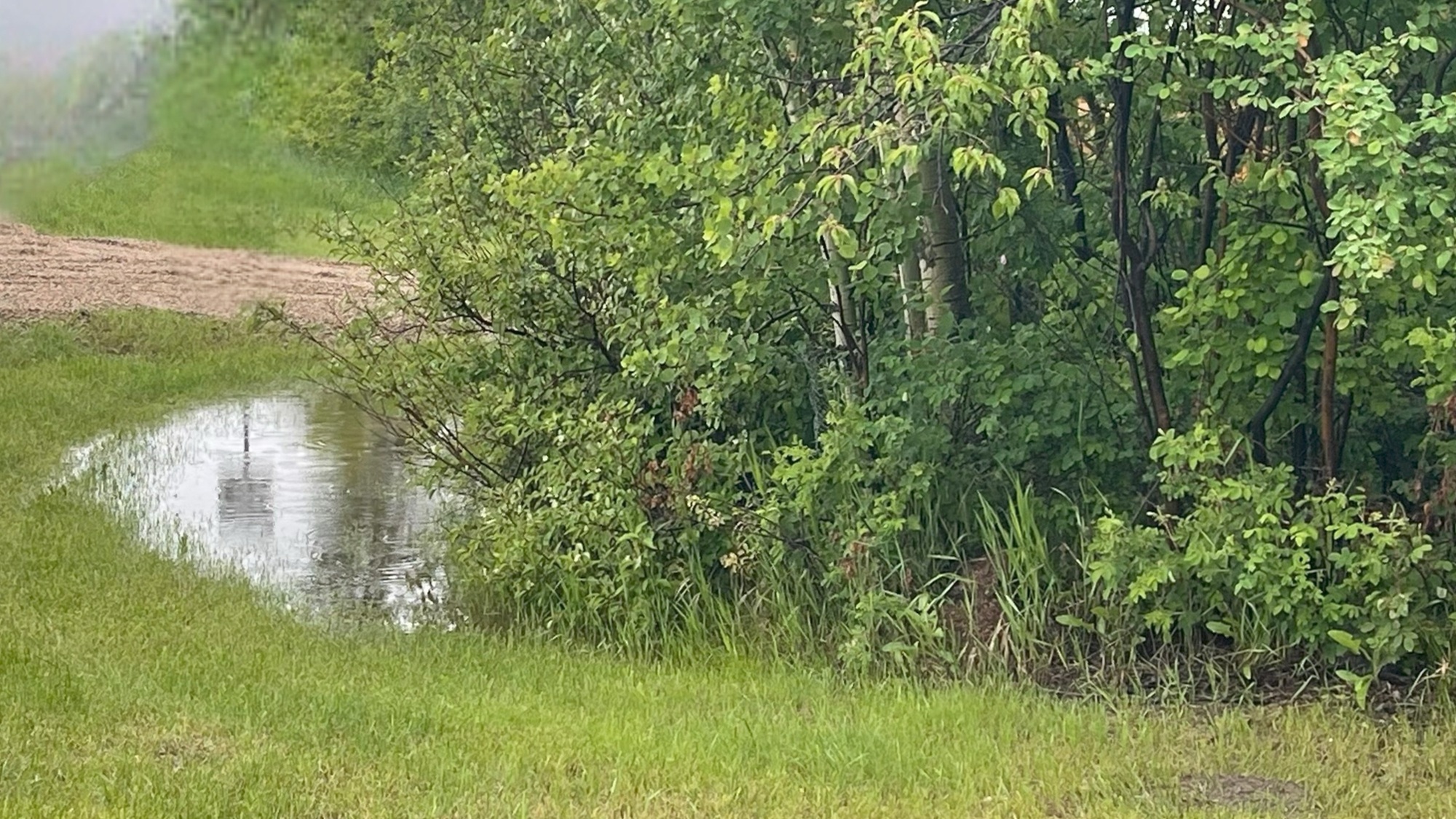
Standing water can stress roots and breed scads of mosquitoes if it lingers. Create shallow, temporary drainage channels to guide water away from garden beds, empty saucers and catchment dishes under pots, and remove leaves, mulch clumps, or debris that block drainage paths. These small steps can improve water movement and make a big difference. |
Water torrents can damage plants and garden infrastructure. Look for broken stems, buried transplants, exposed roots, washed-out soil and mulch erosion. Gently lift flattened plants, stake any leaning plants, and replace displaced soil or mulch as needed. Remove damaged leaves or stems that are unlikely to recover but avoid over-pruning stressed plants. |
|

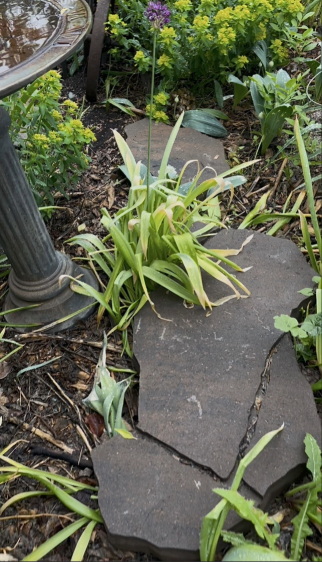
4. Avoid Walking on Drenched Soil Wet soil is easily compressed, making it drain more slowly and more challenging for roots to breathe. If you must enter the garden, stay on stepping stones or pathways to spread your weight. Better yet, wait until the soil is moist but no longer sticky or spongy before weeding, planting, or cultivating. |
Heavy rain can wash nutrients out of the soil, but fertilizing too soon can add more stress or simply leach away before the plants can use them. Wait until the soil has drained, then feed lightly with a gentle, balanced fertilizer to avoid overwhelming the plants. |
6. Trust Your Garden’s Resilience A rain-battered garden can look discouraging, but recovery often happens faster than you think. Roots are persistent, stems can straighten and soil rebounds once conditions improve. Take notes on where the water pooled, which beds drained well and what changes might help next time. Raised rows, incorporating organic matter into the soil, or improving water mitigation routes can make a big difference. Every growing season brings surprises, and heavy rain is one of the more dramatic ones. By remaining patient, staying off wet ground, improving soil drainage and giving plants time to recover, you’ll support the quiet strength already built into your garden. After all, a garden that weathers a storm often comes back with renewed growth - and so does the gardener. |