




What's up North™ - My Hydrangea Advice for the Northeast
Perhaps more than any other flowering shrub, hydrangeas have gone through a revolution in the last decade or so. Now they flower better and longer, many offer repeat flowering, and there are more unique flower shapes and colors available. Let me tell you about some of my favorites, then I’ll share my growing tips at the end.

My Hydrangea Advice for the Northeast
Perhaps more than any other flowering shrub, hydrangeas have gone through a revolution in the last decade or so. Now they flower better and longer, many offer repeat flowering, and there are more unique flower shapes and colors available.
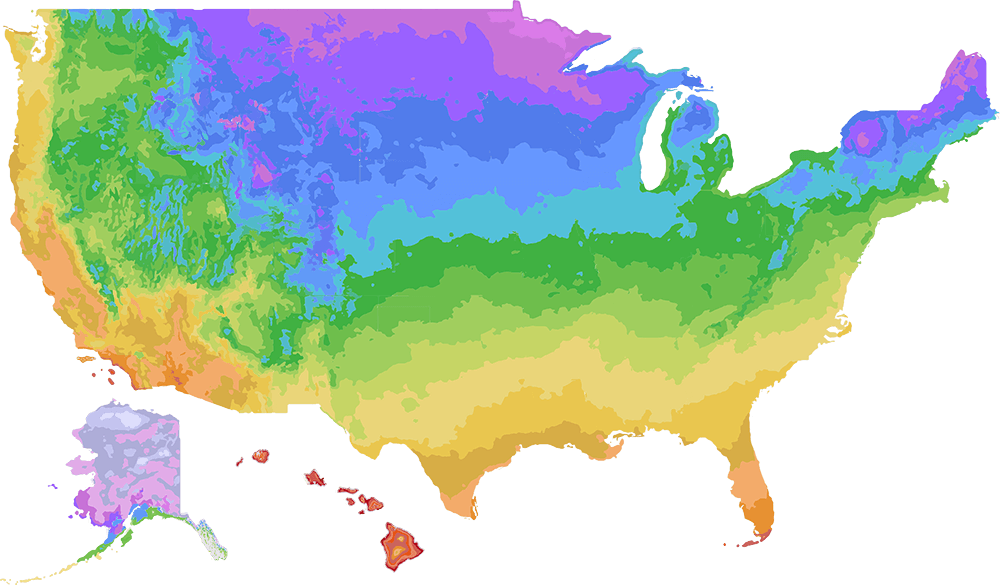
Hydrangeas come in many sizes, from 18 inches tall to eight feet, so there are varieties to fit all sorts of garden spaces.They range in hardiness from zone 3 to 5, so we can grow most of them here in the North. Let me tell you about some of my favorites, then I’ll share my growing tips at the end.
Zone 3 Hardy Hydrangeas for the Northeast
If you are new to growing hydrangeas in the North, it’s best to start with the toughest and hardiest types that you’re sure to be able to grow well here. Native smooth hydrangeas (Hydrangea arborescens) and panicle hydrangeas (Hydrangea paniculata) are both hardy in zones 3-8, so they easily survive and flower reliably in cold climates. Let me share two of my favorites, then we’ll move on to other types of hydrangeas you can grow well in the North.
Invincibelle® Ruby Smooth Hydrangea
White is the traditional color of smooth hydrangeas like ‘Annabelle’, but a good example of a more colorful variety is Invincibelle® Ruby. It blooms with two-toned ruby red and silvery pink flowers. This variety is a strong rebloomer, so you can enjoy the flowers for most of the summer, and bees love it too. It grows 3-4 feet tall and 2-3 feet wide.

Limelight Prime® Panicle Hydrangea
Many new varieties of panicle hydrangeas have become available in recent years. Most bloom earlier, stay more compact and have stronger stems compared to the original ‘Limelight’. One of the best is Limelight Prime® panicle hydrangea which grows 4-6 feet tall and 4-5 feet wide and has very sturdy, upright stems that don’t flop. It blooms earlier than ‘Limelight’, which is helpful in the North where our growing season is shorter. The flowers of Limelight Prime open green, turn white, then blush pink and red in the fall.
Hardy Bigleaf Hydrangeas for the Northeast
Bigleaf hydrangeas (Hydrangea macrophylla) and mountain hydrangeas (Hydrangea serrata) are known for their large, colorful, mophead or lacecap flowers. When you think of hydrangeas, this is the kind that probably comes to mind first. They put on quite a show in the summer. Newer varieties of bigleaf and mountain hydrangeas have better cold hardiness and tougher flower buds.

Let’s Dance Sky View® Continuous Blooming Hydrangea
A favorite mophead hydrangea of mine is Let’s Dance Sky View®. Because it has very hardy flower buds, it consistently blooms early each year. I like that its flowers are easy to turn blue by acidifying the soil. This hydrangea is known for its ability to continuously produce new flower buds, so it blooms all summer. It grows 2-3 feet tall and 2-4 feet wide and is hardy in zones 4-9.

Let’s Dance Can Do!® Reblooming Hydrangea
A good lacecap bigleaf hydrangea is Let’s Dance Can Do!® It produces flower buds all along its stems instead of just at the tips, so even if part of the stem dies back in the winter, it still flowers early on old wood. Then, it reblooms all summer on the new branches that form. The lacecap flowers of this hydrangea range from pink to lavender depending on the soil pH. In more acidic soil, the flowers are bluer. It’s a little bigger than Let’s Dance Sky View, coming in at 3-4 feet tall and 3 feet wide, and is hardy in zones 4-9.

Tuff Stuff Top Fun® Reblooming Mountain Hydrangea
For an especially hardy, colorful hydrangea, try a mountain hydrangea (H. serrata). While bigleaf hydrangeas (H. macrophylla) are native to coastal regions in Japan (hence their salt tolerance), mountain hydrangeas are better adapted to colder upland regions. As a result, their flower buds are hardier and more likely to survive our zone 4 winters.
Tuff Stuff Top Fun® is one of the best reblooming mountain hydrangeas, with hot pink lacecap flowers from summer into fall. Its foliage is also colorful, taking on burgundy tones late in the season. It grows 2-3 feet tall and wide and is hardy in zones 4-9.
Oakleaf Hydrangea for the Northeast
For those of you in zones 5-9, give native oakleaf hydrangeas (Hydrangea quercifolia) a try. They are the most shade tolerant hydrangeas and feature unique oak leaf-shaped foliage. Their white flowers are cone-shaped and can turn either pink or green in the fall. What I really like is their rich fall foliage color.

Gatsby Glow Ball® is a newer variety that is more compact and looks great grown along a woodland edge, but it can also handle quite a bit of sun in the Northeast. It grows 3-4 feet tall and wide, which is about half the size of traditional oakleaf hydrangeas. The cone-shaped, lacecap flowers start out white and age to green, and are loved by bees. The name Gatsby Glow Ball refers to its vibrant red and burgundy fall color show.
Growing Tips for the Northeast
Here in our cooler northern climate, most hydrangeas can take more sun than in the South as long as the soil stays moist. Bigleaf, mountain and oakleaf hydrangeas tend to like some protection from hot afternoon sun. We’ve had good success growing ours on the east side of our house and as understory shrubs below our magnolia tree. These types of hydrangeas also prefer slightly acidic soil.
Panicle and smooth hydrangeas really benefit from more sun here in the North. They’ll grow in the shade, but you won’t be nearly as impressed with their bloom show there. That’s especially true for panicle hydrangeas, which some people call “sun hydrangeas”. They don’t like the soil to dry out though, so watch that carefully if you do grow them in the sun. Add some mulch to keep the soil moist.
Remember how I told you that panicle and smooth hydrangeas are the toughest and hardiest for the North? One main reason for that is they form their flower buds on new growth (“new wood”) in the spring, then bloom from midsummer into fall. Since those buds don’t exist yet on the stems in winter, they can’t be damaged.
Bigleaf, mountain and oakleaf hydrangeas, on the other hand, form their flower buds right after they’ve finished blooming, so those buds have to overwinter on the old branches (“old wood”). Sometimes they don’t make it. Fortunately, reblooming varieties also produce flowers on the new growth.
If your bigleaf, mountain or oakleaf hydrangeas aren’t blooming or are only blooming late in the season, you’re only getting flowers from the new growth. Protecting the branches with a mound of woodchips or shredded leaves in late fall can help to insulate the flower buds so they have a better chance of surviving the winter. Just be sure to remove the woodchips or leaves in the spring.
When and how to prune is always a question I get about hydrangeas. Knowing when to prune depends on if your hydrangea blooms on old or new wood.
Panicle and smooth hydrangeas bloom on new wood, so you can prune them when they are dormant in late fall or early spring. You can enjoy the flowers through the winter and prune in the spring, but if you get a lot of snow where you live, the extra weight on the dried flowers could break the stems. In that case, it’s better to prune off the spent flowers in late fall. When you prune, cut back the main branches by one-third and remove any thin, spindly growth that won’t form large flowers.
Bigleaf, mountain and oakleaf hydrangeas bloom on old wood. Reblooming varieties bloom first on old wood and then again on new wood. You can prune them right after they finish blooming in the summer, but often they need little pruning. Remove any dead, diseased or broken branches in the spring after the plants have started to leaf out so it’s clear which stems to take out.
Learn more about when and how to prune your hydrangeas.